Home

Data Software & Research

Deep learning data software rental and scientific research

We offer rental of data preparation software for deep learning, supporting sample collection, annotation, quality analysis and version management. We also provide literature research, data analysis and experimental research as separate services.

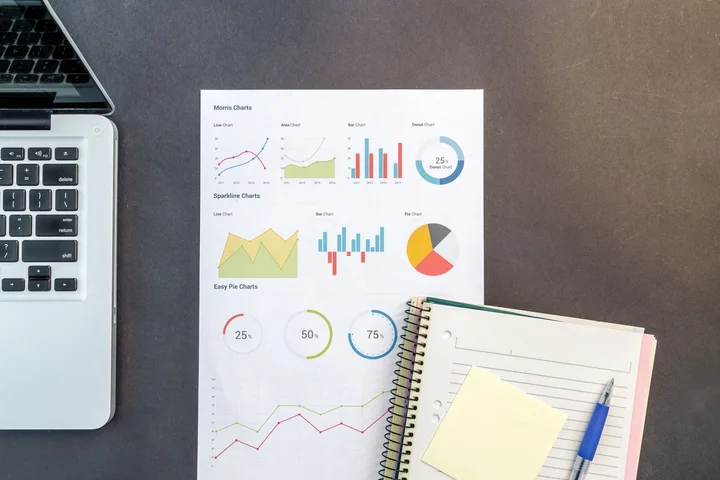
Statistical charts, notes and working documents on a desk
Sample, label and version management

Deep Learning Data Software Rental

We offer time-limited use of software for sample collection, labelling, quality analysis and data preparation in deep learning projects. This suits teams working together to prepare data, review labels and manage dataset versions.

Software functions and rental scope

Define sample imports, source registration, label management, quality analysis and exports around the data preparation task. Agree on licence scope based on users, project duration and operating environment, and configure collection, labelling and review roles.

Illustrative example

Preparing data for a visual inspection project

A visual inspection model needs traceable data with consistent labels. The software helps the team manage image sources, labelling disagreements and quality issues, and organise prepared samples into versions ready for handover.

  1. Collect and registerRecord sample sources, subjects and collection batches.
  2. Label and analyseClassify using the label rules and check for duplicate or blurred images.
  3. Review and organiseResolve label disagreements and retain the reasons for decisions.
  4. Create a dataset versionSplit grouped samples for the task and create a handover manifest.
How a dataset is divided by purposeIllustrative counts · 1,000 samples in total
700Training samples150Validation samples150Test samples

The proportions explain the different purposes; they are not a fixed split for every project. Samples awaiting review are excluded from this release.

Exports and handover by the user teamSamples and sourcesLabels and review recordsSplit manifestVersion notes

Highly related samples from the same subject or collection sequence should be grouped when splitting the data, according to the task, to prevent training data leaking into validation or test sets.

What is needed before setup?

Describe sample types, existing label rules, data volume and handover formats. Sanitised samples may be used to check compatibility. Software rental does not automatically include data collection, manual labelling or model training; these tasks need their own scope if required.

Data exports and end-of-rental handover

The user team uses the software to organise samples, labels and review records into dataset versions. The software supports exports of samples and sources, labels, split manifests, review records and version notes. Before expiry, we help the team check export content and file formats for the recipient to inspect and read. Storage location, retention, licence termination and cleanup responsibilities are defined in the rental arrangement.

Questions, methods and evidence

Scientific Research

We investigate specific scientific questions through literature research, data analysis or experiments, producing evidence-based analysis and reports that can be reviewed. This suits work that seeks to explain a phenomenon, compare the effects of conditions or test a hypothesis.

The research question and available resources

Start with the phenomenon to explain or hypothesis to test, then define the subject, comparison scope and observation measures. For the first discussion, provide existing materials, sources, experimental resources and the intended use of the report. A complete research plan is not needed in advance.

Research methods and requirements

Choose literature research, data analysis or experiments to suit the question, explaining how information will be obtained, comparisons made, observations repeated and errors handled. New data collection, experimental facilities or external collaboration require a separate review of resources, time and scope.

Illustrative example

Container covers and water evaporation

Does the way a container is covered affect the change in water mass over the same period? Answering this requires defined comparison conditions, measurement methods and environmental records, rather than judging by appearance alone.

OpenLeave the container opening fully exposed
Partly coveredKeep an opening of a fixed size
CoveredCover the opening and record how the cover fits
Conditions held constantContainer specificationsInitial water quantityObservation durationEnvironmental conditions
  1. QuestionHow does the cover affect the change in water mass?
  2. MethodPlan comparisons and repeated observations using a consistent measurement method.
  3. RecordsKeep initial and final mass, timing and environmental notes.
  4. Analysis and conclusionsCompare changes and errors, explaining the evidence and its limits.

Mass change is calculated as initial mass minus final mass, in grams. The analysis should account for instrument precision, environmental changes and variation between repeated observations.

What the report contains

The report covers the question, methods, materials or observations, analysis, conclusions and limitations, retaining necessary sources and reasons for data handling decisions. Format and depth are agreed for the intended use. Research does not promise a predetermined conclusion.

Get in touch

Email us with the service you need, your existing setup or resources, and your timing requirements. We will use these details to discuss the scope, fees and delivery arrangements.

Prepare an enquiry email